Getting a solid grip on personal finance usually begins with understanding your debt. Debt is a financial tool, not a trap, provided you know how to manage it efficiently. If you are stepping into the world of financial literacy for the first time, one of the most powerful concepts you can learn is that loan agreements are rarely set in stone.
Improving your debt terms essentially means restructuring what you owe to keep more money in your own pocket. This typically involves securing a lower interest rate, adjusting your monthly payment to fit your budget, or shortening the time it takes to become completely debt-free.
Here is a straightforward look at how you can manage and improve the terms of the three most common types of personal debt.
1. Student Loans: Lowering the Cost of Your Education
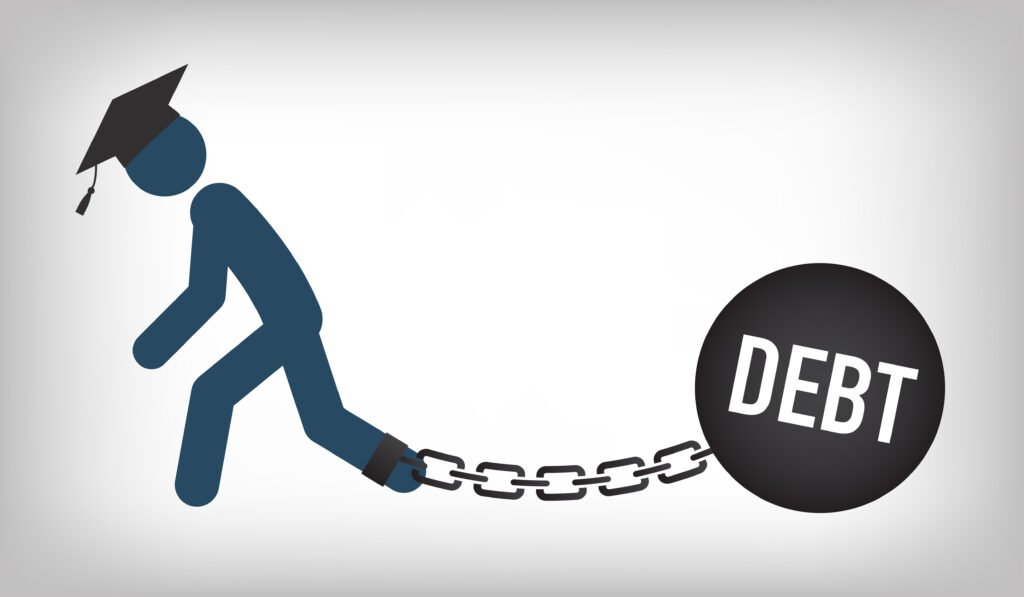
For many young adults, student loans are the first major financial commitment they take on. Because these loans are often taken out before you have a steady income or a solid credit history, the initial interest rates might not be in your favor.
How to improve the terms: Once you have graduated, secured a steady job, and spent a year or two paying your bills on time, your credit profile improves. You can use this new financial stability as leverage.
A practical example: Imagine you graduate with $30,000 in private student loans at a 7% interest rate. After two years of working and building a good credit score, you apply to refinance with a different lender. Because you are now a lower risk, the new lender offers you a 4.5% rate. That 2.5% reduction might sound small on paper, but it effectively lowers your monthly payment and saves you thousands of dollars in interest over the life of the loan.
2. Auto Loans: Refinancing for a Better Deal
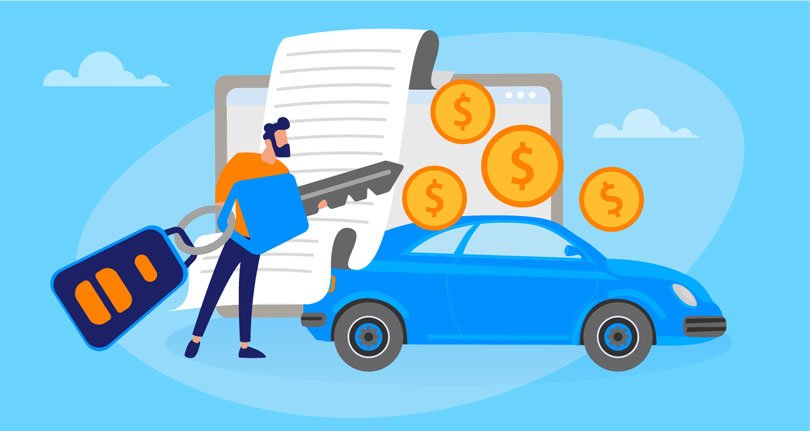
Buying a first car is another common milestone. Dealerships often arrange financing for you, which is convenient but rarely offers the most competitive rates in the market—especially if your credit history is thin at the time of purchase.
How to improve the terms: Unlike a house, a car depreciates in value, so you want to pay as little interest on it as possible. If you accepted a high interest rate just to get the keys, you don’t have to stay with that lender.
A practical example: You bought a reliable used car and financed $15,000 at a steep 9% interest rate through the dealership. Fast forward eighteen months: you have never missed a payment. You can walk into a local bank or apply online to refinance that auto loan. A bank might look at your improved credit and offer to pay off your old loan, issuing you a new one at 5%. You still owe the same amount on the car, but less of your monthly payment goes toward interest, allowing you to pay off the principal faster.
3. Mortgages: Leveraging Market Changes
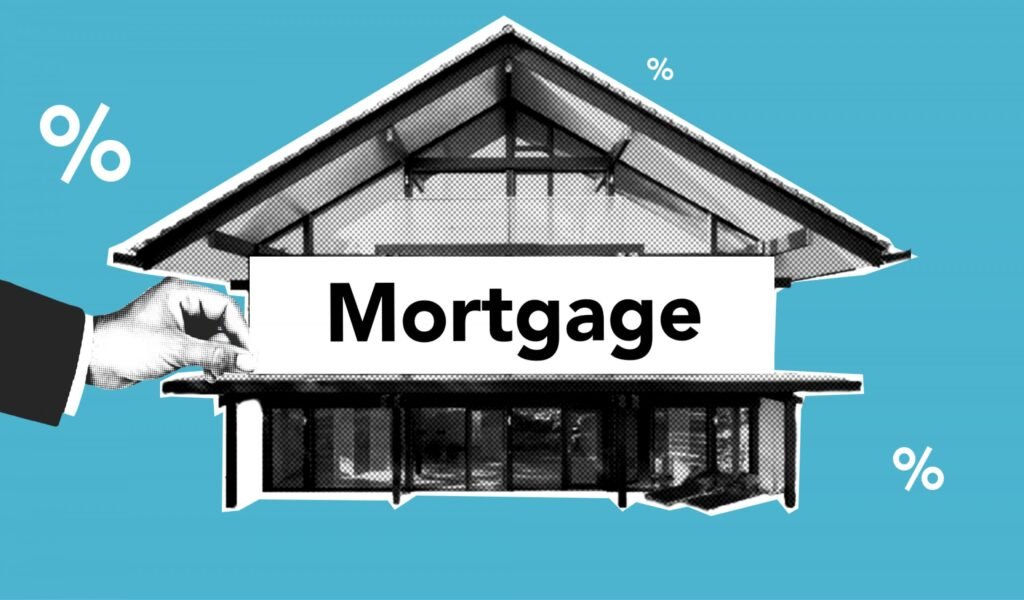
A mortgage is likely the largest debt you will ever take on. Because the borrowed amount is so large and the timeline is so long (often 30 years), even a microscopic change in your loan terms can result in massive financial shifts.
How to improve the terms: Mortgage rates fluctuate based on the broader economy. If market rates drop lower than the rate you currently have, or if your property value has increased significantly, refinancing your home is a standard and highly effective financial move.
A practical example: You bought a house with a $250,000 mortgage at a 6% fixed interest rate. Five years later, the market shifts, and average rates drop to 4.5%. By refinancing, you replace your original mortgage with a new one at the 4.5% rate. Even after accounting for the administrative fees required to process the new loan, your monthly payment could drop by hundreds of dollars. Alternatively, you could choose a 15-year term instead of another 30-year term, keeping your payment roughly the same but shaving years of debt off your timeline.
The Action Plan: How to Start Negotiating

Improving your debt terms doesn’t happen automatically; it requires a proactive approach. Here are the precise steps to execute:
- Check your credit score: This is your main negotiating tool. Lenders offer the best terms to people who present the lowest risk. Know your number before you start making calls.
- Do your market research: You need to know what other banks and credit unions are offering right now. You cannot negotiate effectively if you don’t know the current baseline rates.
- Contact your current lender first: Call the bank that currently holds your debt. Tell them plainly that you have improved your credit score, you are shopping around for better rates, and you want to know if they can lower your current interest rate to keep your business. Often, to avoid losing a reliable customer, they will offer a modification without you having to go through a full refinance process elsewhere.
- Consolidate if necessary: If you have multiple high-interest debts (like several credit cards), look into a single personal loan with a lower interest rate to pay them all off. This leaves you with just one predictable monthly payment at a much better term.
Managing debt is about taking control of the variables. By treating your loans as active contracts that can be optimized rather than permanent burdens, you take a massive step forward in your financial literacy and independence.